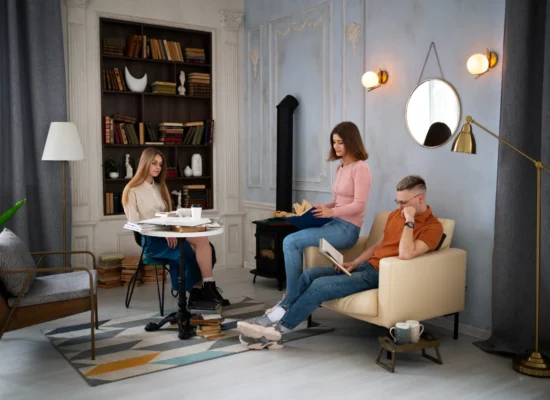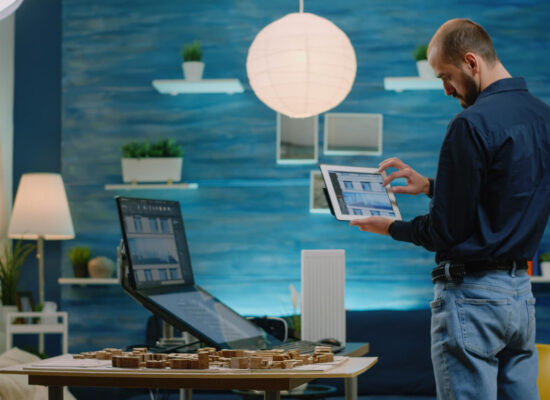
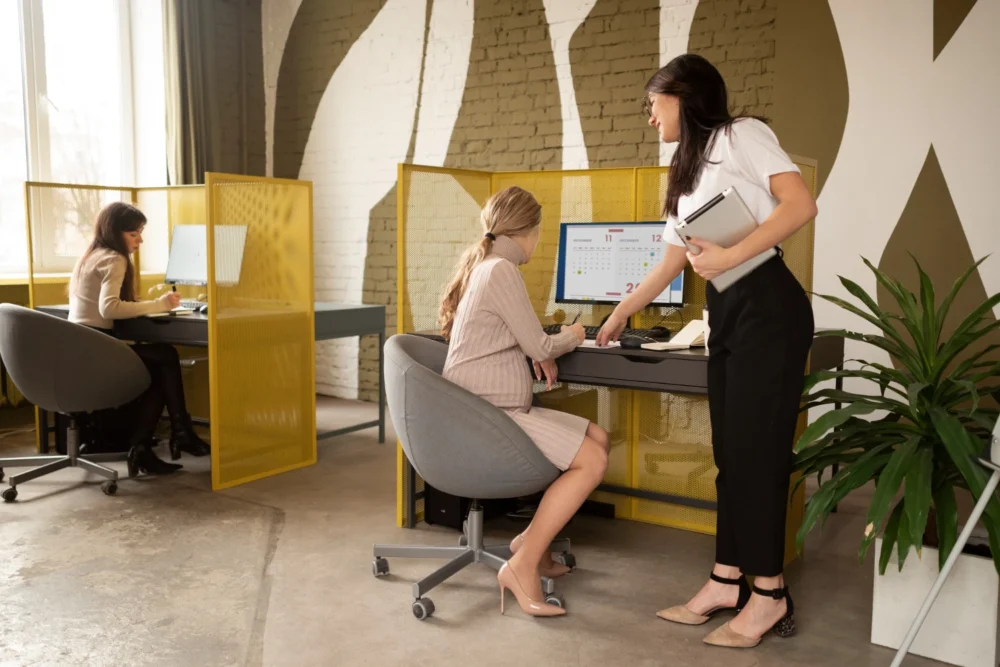
Modern businesses must recognize that employee performance is no longer driven solely by technology and skills alone; physical workplace environments play a pivotal role in shaping focus, efficiency, motivation and office interior design have an enormous effect on employee feel and function throughout their day – this makes office productivity design an essential consideration in modern businesses.
1. Importance of Office Space Planning
Effective office space planning determines how smoothly daily operations run. A poorly planned office can feel cramped, noisy, and distracting, reducing employee concentration and morale. On the other hand, strategic space planning ensures smooth movement, logical zoning, and optimal use of available space.
Modern workplace design often combines open layouts for collaboration with private areas for focused tasks. Meeting rooms, quiet zones, and breakout spaces allow employees to work according to their needs. When office space planning is done correctly, it improves workflow efficiency and minimizes unnecessary interruptions, leading to higher productivity.
2. Lighting as a Productivity Boost
Lighting is an integral element of office interior design that has a significant effect on employee focus and energy levels. Poor or inadequate illumination can result in eye strain, headaches, fatigue and reduced productivity – which all reduce productivity overall. Natural light in particular has proven its positive benefits on mood, alertness, overall well-being and well-being.
Many commercial interior design strategies strive to maximize daylight through large windows, skylights and glass partitions. When natural light is limited, layered lighting solutions such as ambient and task lighting create an optimal working environment and help sustain concentration while decreasing workplace fatigue. Proper lighting design supports sustained concentration while supporting reduced workplace fatigue.
3. Role of Color in Workplace Design
Color psychology plays an important role in influencing employee behavior and performance. Strategic use of color in workplace design can enhance focus, creativity, and emotional balance. For example, blue tones encourage concentration, green promotes calmness, and yellow stimulates creativity and optimism.
In office productivity design, colors are often used to differentiate work zones, meeting areas, and relaxation spaces. Neutral shades paired with subtle accent colors create a professional yet visually engaging office interior design that keeps employees motivated without overwhelming them.
4. Ergonomics and Employee Comfort
Employee comfort is a critical element of productivity, making ergonomics a critical aspect of commercial interior design. Poor seating arrangements, improper desk heights and monitor placement can lead to physical discomfort, fatigue and long-term health concerns for staff members.
An effective office interior design features ergonomic chairs, adjustable desks, and well-placed workstations designed to promote proper posture in employees. Comfortable employees experience less physical strain throughout the day and are better able to focus throughout their shift. Breakout areas, informal seating areas and wellness spaces further increase comfort and support workplace satisfaction.
5. Acoustics and Noise Management
Noise can be one of the primary sources of distraction in offices, particularly open plan layouts. Too much background noise can derail concentration and raise stress levels; to combat this issue effectively, thoughtful office productivity design incorporates sound-absorbing panels, carpets, ceiling treatments and soft furnishings as acoustic solutions.
Proper office space planning helps separate collaborative zones from quiet work areas, enabling different work styles to coexist efficiently. Achieve calmness through smart workplace design helps increase focus and efficiency.
6. Biophilic Elements in Commercial Interior Design
Biophilic design has quickly become an influential trend in commercial interior design, emphasizing the relationship between indoor spaces and nature. By including plants, natural materials, and outdoor views into office interior design projects, biophilic designs has proven its ability to reduce stress while increasing mental clarity.
Green elements, wooden textures and natural lighting all play an integral part in creating a healthier and more engaging workplace design. Employees working in offices featuring biophilic elements often feel more relaxed, motivated and productive throughout their workday.