Interior design has long been a field where creativity meets functionality, but technology has dramatically revolutionized how interior designers approach concepting, communicating and delivering design solutions. From 3D visualizations to artificial intelligence tools reshaping professional practices as well as client experiences of design. Understanding technology’s role is integral for modern interiors.
Let’s examine how technology is revolutionizing interior design, and what this means for designers as well as clients.
3D Visualization & Interior Design Rendering Services
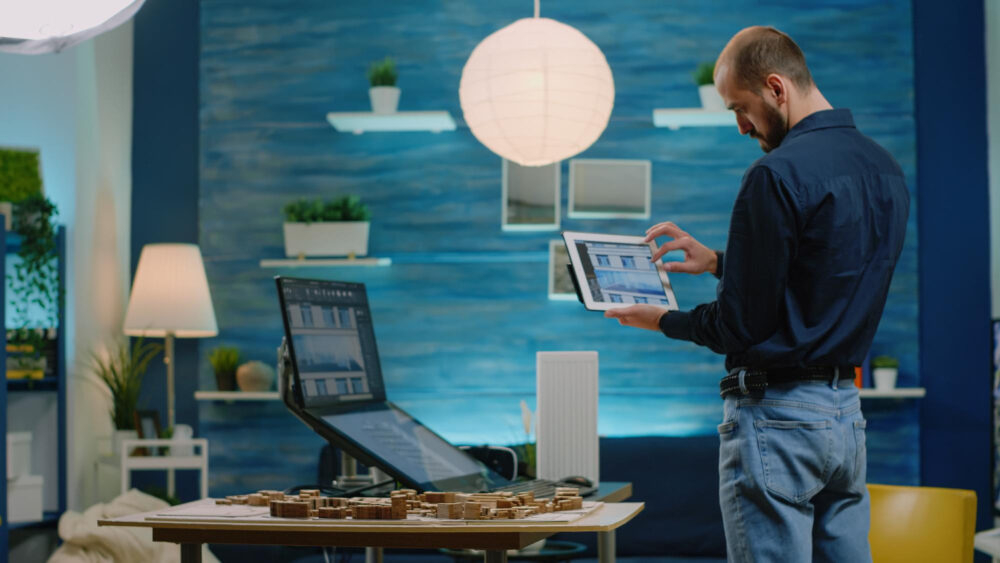
Interior design’s most revolutionary technological development is 3D rendering. No longer do clients have to guess at how their ideas might look using only flat sketches as representation. Now with Interior Rendering Services available to designers, photorealistic interiors – complete with lighting, textures and materials — can be created before any purchase decision is made.
These renderings help:
- Communicate design intent clearly
- Reduce costly revisions
- Align expectations between designers and clients.
Virtual walkthroughs and augmented reality overlays enable clients to virtually explore their future space, making decisions much more informed and confidently made.
Virtual Reality (VR) & Augmented Reality (AR)
VR and AR technologies are revolutionizing client experiences. Wearing virtual reality (VR) headsets, clients can experience their future space in full 3D by moving through rooms, changing materials, and visualizing how furniture placement affects flow. AR tools enable users to overlay digital designs onto existing spaces via smartphones or tablets — an invaluable asset during on-site consultations.
These technologies take Interior Design Rendering Services a step further by helping to bridge the gap between imagination and reality. Instead of depending on static boards, clients can experience designs prior to implementation; thus minimizing surprises and increasing client satisfaction.
AI and Machine Learning in Design
Artificial Intelligence (AI) is more than just an empty promise – it is becoming an indispensable asset in modern interior design. AI analyzes vast data sets related to design preferences, space usage patterns and aesthetic trends to generate optimal layouts and material combinations for interior projects.
Some practical applications of the concept:
- Automated mood board generation from client inputs
- Smart space planning that considers ergonomics and traffic flow
- Predictive trend insights for color palettes and materials
AI accelerates the creative process, giving designers more time to focus on making strategic decisions and tailor-made solutions.
Cloud Collaboration and Workflow Tools
Technology has enabled remote work, global teams and seamless client communication as new standard expectations – cloud-based platforms enable designers, contractors and clients to access up-to-date project files, floor plans and visualizations from any location at any time.
Benefits include:
- Real-time project updates
- Collaborative review and annotation tools
- Centralized documentation and version control
Interior Design Services in Pune or further can leverage cloud tools to streamline project delivery more easily, eliminating delays and miscommunication.
E-Commerce Integration for Materials and Furniture
Technology has also revolutionized how designers source materials and furniture. Online marketplaces and manufacturer portals now provide access to product specs, pricing information, stock levels, and availability with just a click or two – some platforms even integrate directly with design software allowing designers to drag-and-drop real product models directly into 3D spaces for seamless workflows.
This helps:
- Reduce lead times (between production runs)
- Compare products efficiently (saving time and effort)
- Provide accurate cost estimates to clients
As a result, designers can curate interiors faster and with greater confidence.
Customization Through Parametric Design
Parametric design tools enable designers to dynamically manipulate geometry and structural elements, enabling you to tailor cabinetry, architectural features and spatial layouts based on specific project constraints.
Parametric tools enable:
- Custom-tailored solutions
- Effective adjustments during iterations
- Design proposals tailored specifically for individual requirements.
Interior Design for Commercial Spaces presents unique challenges when considering specific workflows and branding needs. This makes interior design software especially important.
Technology and Affordable Solutions
Technology doesn’t just facilitate high-end, luxury projects – it also makes affordable interior design services more accessible. Pre-designed templates, downloadable mood boards, and online consultation services all help clients with tight budgets gain access to interior design services more readily. Through online tools such as these clients can select a base design then customize specific elements accordingly reducing hours spent with designers as well as their costs.
This democratization of design means:
- Small business owners can customize commercial spaces
- young homeowners can access professional guidance
- Designers offer tiered service packages.
Clients seeking value now have more choices available to them than ever before.
Smart Home Integration
Nowadays, smart technologies — from automated lighting to voice-activated assistants — have become an integral component of modern interiors. Designers now incorporate these systems during the planning phase so that technology doesn’t become an afterthought.
Smart home integration:
- Enhancing comfort and convenience optimizing energy efficiency
- Adds long-term value to interiors
Smart systems for commercial spaces also can greatly benefit occupancy, lighting, and HVAC management systems efficiently.
Sustainability Tracking Tools
Sustainable design has never been more vital. Tech tools allow clients to analyze materials based on life cycle assessment, energy impact and resource usage metrics; visualizing how their design choices influence these sustainability metrics enables more informed eco-friendly decision-making.
This technology supports:
- Material transparency
- Energy efficiency modeling
- Long-term environmental planning
At Design Evolution Lab, we utilize tech tools to ensure our interior designs are both aesthetically pleasing and environmentally conscious.
Enhanced Project Management
Integral project management software unifies designers, engineers, contractors and suppliers with one another to track timelines, budget flows, procurement milestones and quality checks — ensuring projects stay on schedule and within their budget limits.
Interior design firms using commercial interior design require sophisticated systems for managing complex workflows and multiple stakeholders efficiently. Technology is revolutionizing interior design by revolutionizing how designers work, communicate and deliver results. From immersive VR/AR visualizations to AI-powered space planning applications, every tool enhances creativity and functionality while making professional services more affordable for budget-minded consumers.
Partnering with an innovative firm such as Design Evolution Lab to provide Interior Design Services in Pune or Interior Rendering Services will help to ensure an interior that’s both beautiful and practical in terms of its technological aspects.